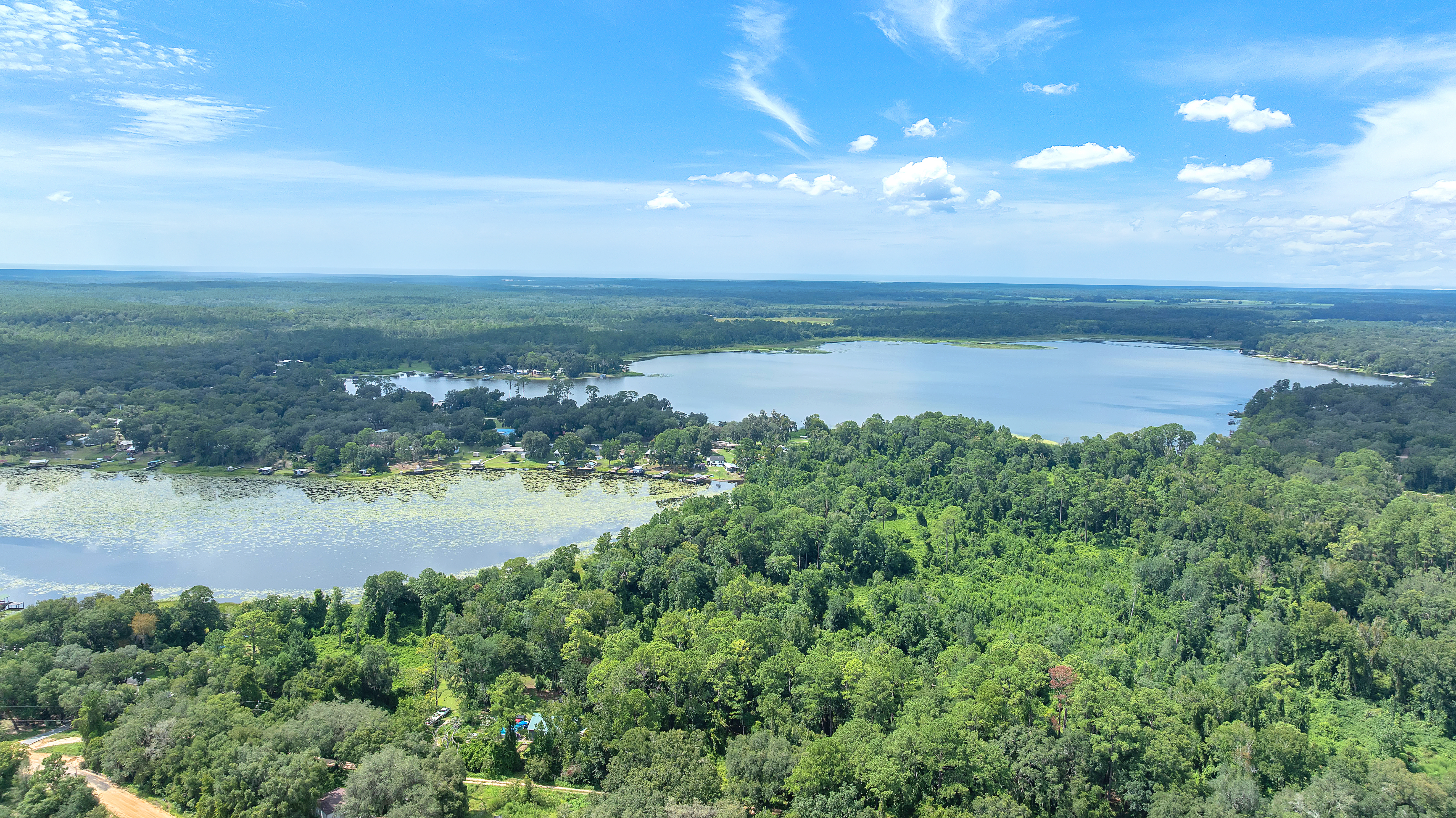
A guy emailed me last month after buying land from someone else (not me, unfortunately for him).
"Juliana, I think I made a terrible mistake. I bought 5 acres in Central Florida for what seemed like a great price. But now I'm finding out there's no road access, it's in a flood zone, and the county says I can't build on it. Did I just lose $18,000?"
I read the email twice. Then I called him.
"Walk me through what happened. How did you find this land?"
"Facebook ad. Guy said it was a great investment. Showed me some photos. Price was way below market. I wired him the money."
"Did you see it in person?"
"No, I'm in Ohio."
"Did you check county records? Zoning? Flood maps?"
"I... I didn't know I was supposed to. I thought land was land."
This conversation happens more than you'd think. Good people, smart people, who make expensive mistakes because nobody ever taught them how to buy undeveloped land in Florida.
I spent years in banking analyzing deals and evaluating risk. And I can tell you: most land-buying mistakes are completely avoidable if you just know what to look for.
Let me walk you through the seven biggest mistakes I see people make and more importantly, how to avoid them so you don't become another cautionary tale.
Why Smart People Still Make Dumb Land-Buying Mistakes
Before we dive into the specific mistakes, let me explain why this happens.
Buying a house? There's a whole system:
● Real estate agents guide you
● Inspectors check everything
● Lenders verify value
● Title companies ensure clear ownership
● Appraisers confirm you're not overpaying
Buying raw land? You're mostly on your own.
Especially with cheap land in Florida, the transaction is often simpler, faster, and involves fewer professionals double checking your work.
That's great for keeping costs down. But it also means you need to know what you're doing.
The good news: Once you know what to check, it's actually pretty straightforward. You just need to ask the right questions before you send money.
Let me show you what those questions are.
Mistake #1: Not Verifying Legal Access to the Property
This is the mistake that guy in Ohio made. And it's shockingly common.
Here's what people assume:
"If land exists, there must be a way to get to it, right?"
Wrong. Land can be completely landlocked surrounded by other people's property with no legal way for you to access it.
Three types of access exist:
1. Public Road Frontage: Your property touches a public road. You can drive right to it. This is ideal.
2. Deeded Easement: Your property doesn't touch a public road, but you have a legal right (recorded in the deed) to cross someone else's land to reach yours. This is acceptable if the easement is properly documented.
3. No Legal Access (Landlocked): Your property is surrounded by private land and you have no recorded right to cross it. This is a nightmare. Don't buy this.
How to verify access before you buy:
● Look at county GIS maps (most counties have these online)
● Check the deed or legal description for easement language
● Drive to the property if possible can you actually get there?
● Ask the seller directly: "How do I access this property?"
With my properties at goldenrp.land:
I only sell land with verified legal access. Every listing shows you exactly how to get there. If there's an easement, I'll tell you upfront.
Why? Because I don't want that phone call from Ohio.
Red flag warning: If someone is selling land at a suspiciously low price and won't answer questions about access, there's probably a reason.
Mistake #2: Ignoring Flood Zones, Wetlands, and Drainage Issues
Florida is beautiful. Florida is also... wet.
Parts of Florida flood. Parts are designated wetlands. Parts have drainage issues that make building expensive or impossible.
And here's the thing: you can't always tell just by looking at photos.
I had a client almost buy a "gorgeous wooded parcel" that looked perfect in pictures. Then I had her check the FEMA flood map.
Zone AE. High-risk flood zone. Building there would require expensive elevated foundations and flood insurance.
She passed. Bought a different parcel instead. Saved herself tens of thousands in future headaches.
What you need to check:
FEMA Flood Maps: Go to msc.fema.gov and enter the property address. Look for:
● Zone X (minimal flood risk) = Good
● Zone A or AE (high flood risk) = Problematic for building
● Zone V (coastal high-hazard) = Don't build here
County GIS Wetlands Layer: Most counties show wetlands on their GIS maps. If your property is mostly wetlands, building becomes very restricted.
Ask About Drainage: Does water pool on the property after rain? Is there natural drainage?
These questions matter if you plan to build.
My approach:
I check flood zones and wetlands before I even list a property. If there are issues, I disclose them upfront.
Some people want wetlands parcels (privacy, wildlife, conservation). Some don't. Either way, you should know what you're buying.
Being honest about limitations isn't a sales tactic. It's just the right thing to do.
Mistake #3: Assuming Utilities Are Easy or Cheap to Add
This one catches people off guard constantly.
"Juliana, I want to build on my land. How much will it cost to add utilities?"
"Well, that depends. How close are electric lines?"
"I don't know."
"Is there county water available?"
"I don't know."
"Has anyone done a perc test for septic?"
"What's a perc test?"
Here's the reality check on utilities for undeveloped land in Florida:
Electric:
● If power lines run near your property: $1,000-$5,000 to extend service
● If power lines are far away: $5,000-$15,000+
● Off-grid solar: $8,000-$20,000 for a full system
Water:
● County water available (rare in rural areas): $500-$3,000 connection fee
● Drill a well (common): $3,000-$8,000 depending on depth
● Rainwater collection: Cheaper but requires planning
Sewer:
● County sewer (almost never available in rural areas): N/A
● Septic system: $3,000-$8,000 for basic system
● Composting toilet: Much cheaper if you're building small
Total potential utility costs: $7,000-$30,000 depending on what's nearby and what you need.
This isn't a deal breaker. It's just a cost you need to know about before you buy.
If you're buying owner financing land in Florida to build on in 5-10 years, you have time to save for utilities. But you should know roughly what you're looking at.
Questions to ask before buying:
1. How close are power lines to the property?
2. Is county water available or will I need a well?
3. What's typical well depth in this area?
4. Has anyone done soil testing for septic feasibility?
If the seller doesn't know, that's fine but you should find out before you commit.
Mistake #4: Not Understanding Zoning and What You Can Actually Do
I love this one because it's so preventable, yet people skip it constantly.
Common scenario:
Someone buys land planning to put an RV on it and live there full-time. Then they call the county and discover: "Sorry, this is zoned residential. No permanent RV dwelling without a permit and specific conditions."
Now they own land they can't use the way they planned.
What zoning controls:
● Whether you can live in an RV or mobile home
● Whether you can build a tiny house
● Whether you can have chickens, goats, or horses
● Whether you can run a business from the property
● Whether you can do short-term rentals (like Airbnb)
● Setback requirements (how close to property lines you can build)
Zoning varies by county. Putnam County has different rules than Marion County. You can't assume.
How to check zoning:
1. Call the county planning/zoning department
2. Give them the parcel number
3. Ask: "What's this zoned for? What can I do with it?"
4. Ask specifically about your intended use
Most county employees are helpful. They'll tell you exactly what's allowed.
My properties:
The land I sell is typically zoned residential or agricultural, which allows building a home and most recreational uses. But if you have specific plans commercial use, short-term rentals, livestock check with the county before buying.
I'm not going to know every nuance of every parcel's potential use. But the county will.
One 10-minute phone call can save you from buying land you can't use the way you want.
Mistake #5: Overlooking HOAs, Deed Restrictions, and Hidden Fees
"Wait, vacant land can have an HOA?"
Yep. Not common in the rural areas where I focus, but it happens.
And even without an HOA, there can be deed restrictions that limit what you can do.
Things that can surprise you:
HOAs on Land: Some subdivisions have HOAs even for undeveloped lots. This means:
● Annual fees ($100-$500+)
● Rules about what you can build
● Rules about RVs, sheds, fencing
● Architectural approval processes
Deed Restrictions: Sometimes previous owners put restrictions in the deed:
● "No mobile homes"
● "Minimum 1,200 sq ft house"
● "No commercial use"
● "No clearing trees without approval"
Special Assessments: Rare but possible fees charged by the county or subdivision for road improvements, drainage projects, etc.
How to find these:
1. Ask the seller directly about HOAs or restrictions
2. Read the deed carefully (ask for a copy before you buy)
3. Search county records for any recorded restrictions
4. Google the subdivision name + "HOA" to see if one exists
Most of my parcels have zero HOA and minimal restrictions because they're in rural areas with few regulations. But you should still verify.
I've learned from other experienced land investors: always disclose what you know upfront. If there's an HOA, say so. If there are restrictions, mention them.
Surprises after closing create unhappy buyers. And I'd rather lose a sale than create an unhappy buyer.
Mistake #6: Focusing Only on Price Per Acre Instead of Total Usable Value
I see this mistake all the time with people comparing properties.
"Juliana, I found 10 acres for $20,000. That's $2,000/acre. Your 0.35 acres is $15,000 that's over $42,000/acre! Why would I buy from you?"
Fair question. Let me explain why price per acre is often misleading.
Cheap land is cheap for a reason:
That 10 acres for $20,000? Let me guess:
● No road access (landlocked)
● Mostly wetlands (unbuildable)
● Hours from civilization
● Zoning that prohibits what you want to do
● In a flood zone
● No utilities within miles
You're not getting a deal. You're getting 10 acres you can't use.
Compare that to 0.35 acres that:
● Has road access
● Is dry and buildable
● Is zoned for residential
● Has power lines nearby
● Has neighbors successfully building
● Is 30 minutes from services
Which is actually more valuable?
The smaller parcel that you can actually use beats the bigger parcel that just sits there being useless.
Also consider total cost, not just purchase price:
Property A: $10,000 cash
● Sounds cheap
● But you need $10,000 upfront
● Property taxes: $200/year
● No payment plan
Property B: $15,000 with owner financing
● $498 down
● $199/month for 96 months
● Property taxes: $95/year
● You own it for under $500 upfront
Which is more accessible? For most people, Property B even though it's "more expensive."
The lesson: Don't fixate on price per acre or sticker price. Focus on:
● Can I actually use this land?
● Can I afford the total cost comfortably?
● Does this meet my actual needs?
That's how you avoid buying "cheap" land that's actually expensive because it's useless.
Mistake #7: Going It Alone Without Asking Questions or Getting Help
This is the meta-mistake that enables all the other mistakes.
People buy land often their first land purchase ever and they just... wing it.
They don't ask questions. They don't do research. They don't talk to anyone who's done this before.
And then they're shocked when it goes wrong.
Here's what I learned from banking:
The people who made the best financial decisions were the ones who asked questions. Even "dumb" questions. Especially "dumb" questions.
The people who made the worst decisions were the ones who were too proud or embarrassed to admit they didn't know something.
Buying undeveloped land in Florida isn't intuitive. You're not born knowing about flood zones and easements and perc tests.
So ask. Questions. Constantly.
Call the county. Call the seller. Call someone like me who sells land and can explain how it works.
Questions you should never be embarrassed to ask:
● "How do I access this property?"
● "What can I legally do with this land?"
● "Are there any restrictions or fees I should know about?"
● "What's involved in building here someday?"
● "Is this a good deal or am I missing something?"
● "Can you show me how to check flood zones?"
With my buyers:
I expect questions. I want questions. The buyers who ask the most questions before purchasing are the ones who end up happiest with their land.
Why? Because they understand what they're buying. They're making an informed decision.
I'd rather spend 30 minutes answering questions and have you decide not to buy than have you buy quickly and regret it later.
That's not a sales strategy. That's just being a decent human.
How to Buy Land the Right Way (Simple Checklist)
Okay, we've covered what NOT to do. Let me give you a simple checklist of what you SHOULD do:
Before you send any money:
☐ Verify legal access (road frontage or recorded easement)
☐ Check FEMA flood maps
☐ Look at county GIS for wetlands
☐ Call county zoning department about allowed uses
☐ Ask seller about HOAs or deed restrictions
☐ Check how close utilities are if you plan to build
☐ Visit the property in person if possible (or at minimum, Google Street View the area)
☐ Read the actual deed or contract carefully
☐ Ask questions about anything you don't understand
☐ Make sure the total cost fits your budget comfortably
After you complete that checklist:
If everything checks out and you feel good about it, buy it.
If something feels off or you can't get clear answers walk away.
There's always more land. Don't let FOMO pressure you into a bad decision.
What Makes Buying From Golden Ridge Different
I'm going to be transparent about something:
Not everyone who sells land operates the way I do.
I learned owner financing from experienced land investors who've been doing this ethically for years. They taught me: disclose everything upfront, answer questions honestly, and only sell land you'd be comfortable owning yourself.
That's the standard I hold myself to.
What that means practically:
● I verify access before listing
● I check flood zones and disclose any issues
● I tell you upfront about any restrictions or fees
● I answer your questions (even the "dumb" ones—which aren't dumb)
● I don't pressure you into buying
● I provide clear contracts with no hidden terms
Is every land seller like this? No. Some are great. Some are... not.
That's why doing your due diligence matters, even when buying from me.
Trust, but verify. That's good practice for any major purchase.
When to Walk Away From a Land Deal
Sometimes the smartest decision is not buying.
Walk away if:
● Seller won't answer basic questions about access, zoning, or restrictions
● Price is suspiciously low and you can't figure out why
● You can't verify basic information (deed, parcel number, ownership)
● Your gut tells you something's off
● You're being pressured to "act fast" or "decide now"
● The land doesn't actually meet your needs but you're buying it anyway because it's cheap
Remember: Passing on land that's wrong for you isn't missing an opportunity. It's avoiding a mistake.
The right land will still be there tomorrow. Or next month. Or next year.
And if it's not, there will be other land.
Don't let urgency override common sense.
The Bottom Line: Most Mistakes Are Preventable
Here's what I want you to take away from this:
Buying land doesn't have to be risky if you know what to check and you're willing to ask questions.
The seven mistakes I outlined aren't inevitable. They're the result of skipping basic due diligence.
Do your homework. Ask questions. Verify everything.
And work with sellers who are transparent and willing to help you understand what you're buying.
That's how you buy vacant land in Florida without regret.
That's how you turn a scary decision into a smart investment.
And that's how you avoid becoming another cautionary tale.
Ready to buy land the right way?
Visit goldenrp.land to see Florida land for sale with verified access and full disclosure.
Read more at goldenrp.land/blog for honest guidance on land ownership.
Or reach out directly with your questions:
(407) 917-0848 | juliana@goldenrp.land
I'd rather answer 50 questions before you buy than get one regretful phone call after.
— Juliana
P.S. That guy from Ohio? He eventually sold his landlocked parcel at a loss and bought proper accessible land from someone else (still not me, but at least he learned). Don't be that guy. Do your homework. Ask questions. Buy smart. It's really that simple.
Leave a Reply
Have a question about land investing or raw land in Florida? Leave a comment below and I'll get back to you personally.
Comments are currently closed for this article.