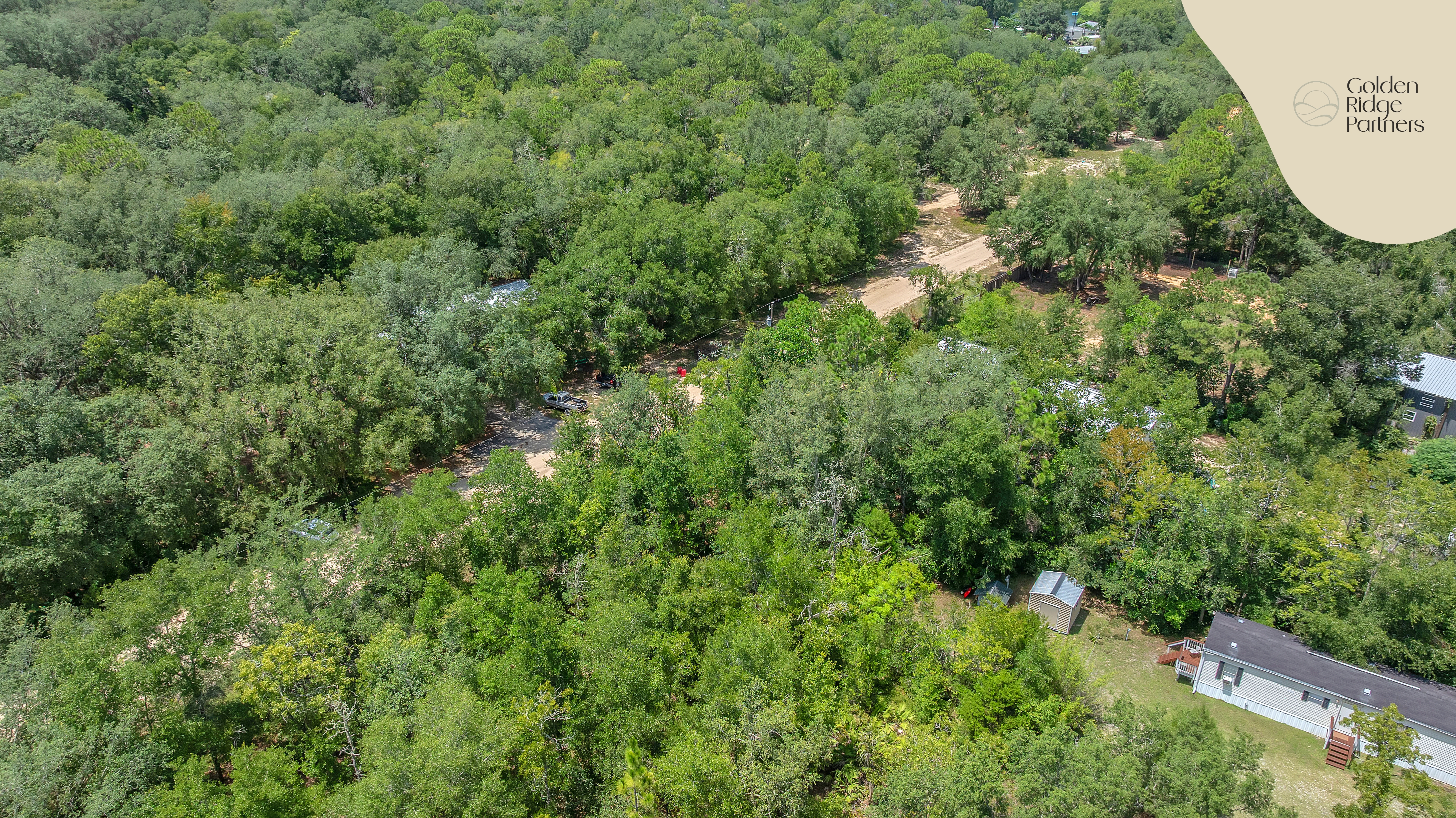
It’s not just about acreage; it’s about water, defensibility, and sustainability.
When the average person looks at land, they see a view. When a survivalist looks at land, they see a lifeline. Whether you’re preparing for economic collapse, social unrest, or just want true independence from the grid, your land is your most critical piece of gear.
But not all "middle of nowhere" land is created equal. A true bug-out location (BOL) needs to sustain life indefinitely, not just hide you for a weekend. Here are the tactical criteria for evaluating survival land.
1. The Rule of Water: Surface vs. Aquifer
You can store beans for 30 years, but water is a daily necessity. A well is good, but a well requires a pump (power).
The Gold Standard: You want surface water—a year-round creek, spring, or pond. Gravity-fed water systems are the holy grail because they don't rely on electricity.
Backup: Check the water table depth. Can you dig a shallow well by hand if the grid fails?
2. The "Grey Man" Location
You want to be invisible. A property right off a major highway is a target. A property 10 miles down a dirt road is a sanctuary.
Defensibility: Look for natural barriers. A steep ridge behind you and a river in front of you creates a natural "choke point" that is easy to monitor.
Topography: High ground gives you a tactical advantage for observation and communication (radio signals travel further from peaks).
3. Sustainable "Calories per Acre"
Rocky mountain cliffs look cool, but can you eat the dirt? You need soil that can grow food.
The Solar/Growing Aspect: South-facing slopes (in the Northern Hemisphere) get the most sun, extending your growing season for gardens.
Wooded vs. Cleared: You want a mix. Mature timber provides fuel for heat and cooking, as well as game cover for hunting. Cleared pasture is essential for livestock and crops.
4. Distance from Population Centers
The "Golden Horde" theory suggests that in a crisis, desperate masses will fan out from cities.
The Buffer Zone: Ideally, you want to be at least one tank of gas away from a major metropolitan area (200+ miles), or geographically isolated by mountains or bridges that can be controlled.
Community: Total isolation is a myth. You eventually need trade and help. Look for "freedom-friendly" counties with like-minded neighbors who value privacy and self-reliance.
5. Regulatory Freedom
The last thing you want during a grid-down scenario is a code enforcer fining you for your rainwater catchment system or compost toilet.
Loose Zoning: Look for counties with no building codes or minimal restrictions on "accessory structures."
Mineral & Water Rights: Ensure you actually own the water under your feet and the ability to harvest rain. Some western states have strict laws against collecting rainwater.
Final Thoughts:
A survival property isn't just an investment in real estate; it's an insurance policy for your family's future. Don't buy the "pretty" lot. Buy the lot that will keep you alive when the systems we rely on stop working.
I started this business because I believe everyone should have the opportunity to own real land. No games, no bank hassles, just straightforward owner financing that works for real people. Call me today (407) 917-0848 or Email me “juliana@goldenrp.land” and let's find your perfect piece of Florida.
Leave a Reply
Have a question about land investing or raw land in Florida? Leave a comment below and I'll get back to you personally.
Comments are currently closed for this article.