I was ready to jump into real estate. I talked to friends, family, my previous business contacts. I heard so many stories. I was unsure which direction to go.
Until I woke up one night from a nightmare. This is what I envisioned:
It was 2:47 in the morning. My phone lit up. A tenant. The water heater had exploded (okay, maybe not exploded, but that's how she described it), and water was flooding the garage.
I stumbled out of bed, called an emergency plumber, texted the tenant to shut off the main water valve, and spent the next hour coordinating a middle-of-the-night disaster while my coffee got cold and my patience wore thin.
That nightmare woke me up. And that's when I started thinking seriously about land.
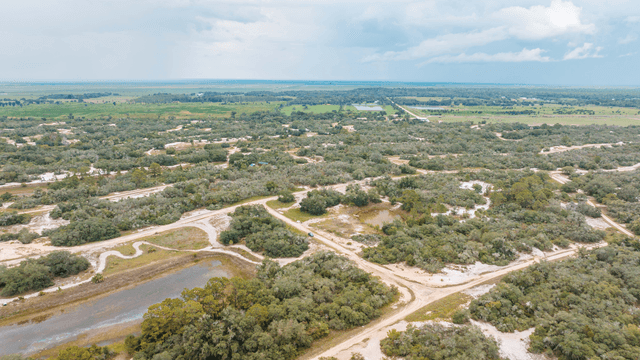
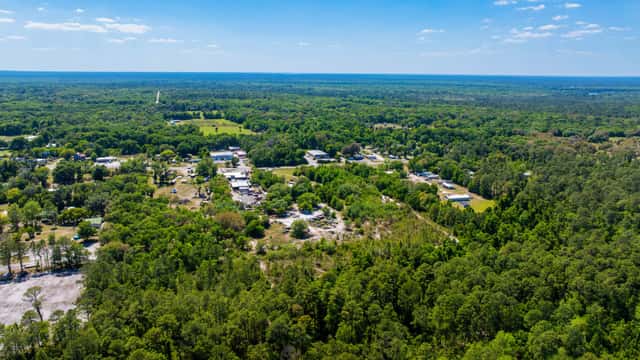
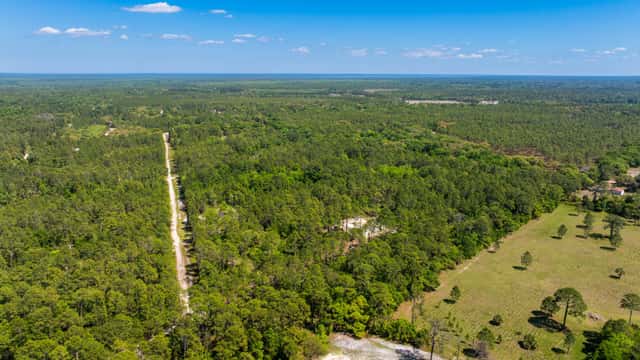
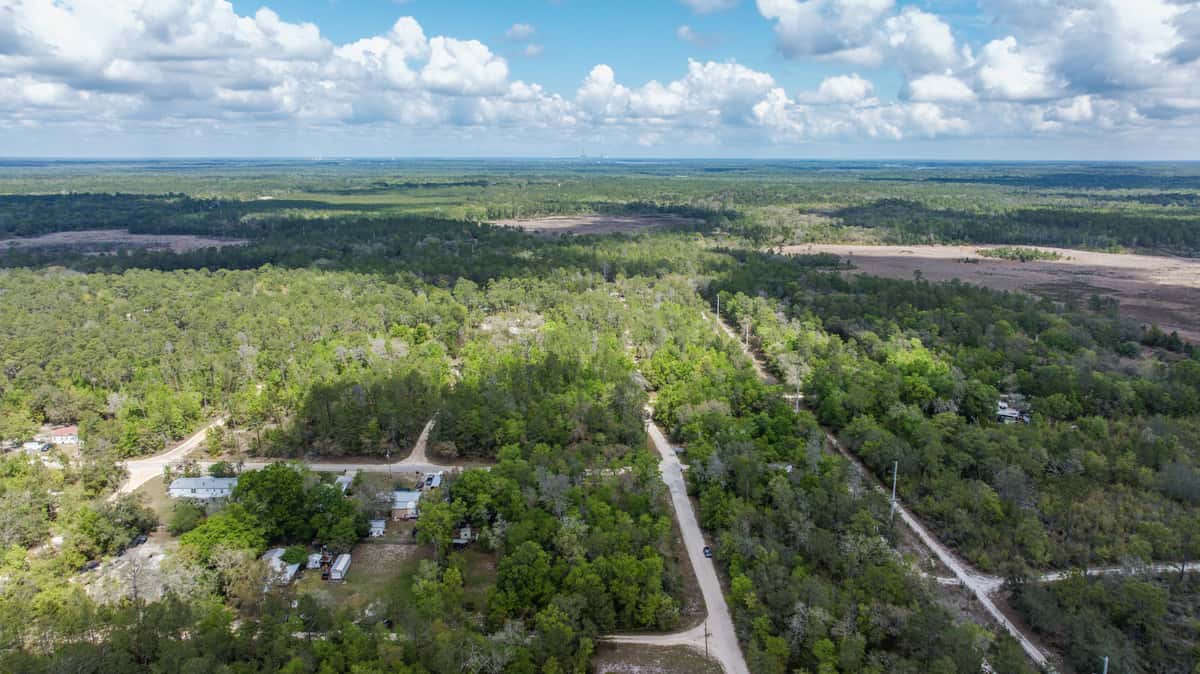
Because here's the thing: land doesn't call you at 2am. It doesn't have toilets that back up, roofs that leak, or tenants who forget to pay rent. It just sits there, quietly appreciating (hopefully), while you sleep soundly through the night.
How I Got Here (The Short Version)
My Friend didn't start out as a land investor. Like most people getting into real estate, She thought rental properties were the obvious path. Buy a house, rent it out, collect monthly checks, build wealth. Simple, right?
And it worked, for a while. She owned a few rental properties, learned the business, made some money. But She also learned that rental properties come with a tax. Not the property tax kind (though there's plenty of that too). I'm talking about the time tax, the energy tax, the mental bandwidth tax.
Every rental property She owned took a little piece of my day. Tenant questions. Maintenance requests. Lease renewals. Finding new tenants when someone moved out. Coordinating repairs. Dealing with late payments. It added up.
Then she mentioned she'd started buying vacant land. No structures, no tenants, just dirt. I thought she was crazy. How do you make money from dirt? But the more she learned, the more it made sense. So she bought my first piece of land, sold it six months later for a nice profit, and never looked back.
The Rental Property Tax Nobody Talks About
Let me be clear: rental properties can be a great investment. I'm not here to bash them. But they come with costs that don't show up on the spreadsheet. Here's what I mean:
The Ongoing Maintenance Treadmill
Houses are machines with a thousand moving parts. HVAC systems die. Roofs leak. Appliances break. Plumbing clogs. Water heaters flood garages at 2:47am.
Even when everything's working fine, you're constantly budgeting for the next thing that will break. Because it's not if something breaks, it's when.
The Tenant Management Dance
Finding good tenants is like dating. You screen them, run background checks, verify income, check references. Then you hope they actually take care of your property and pay rent on time.
Some tenants are amazing. Others? Not so much. And when a tenant moves out, you get to do it all over again. Plus handle the turnover costs, cleaning, repairs, lost rent during vacancy.
The Mental Real Estate
This was the big one for me. Rental properties live in your head. You're always thinking about them. Is the rent going to be late this month? Should I raise the rent or keep the tenant happy? What's that weird noise the AC is making?
Even when you hire a property manager (which costs 8 to 10 percent of your rent, by the way), you're still the one making final decisions and dealing with big problems.
Look, I'm not saying any of this to scare you away from rentals. Plenty of people do great with them. But for me? I wanted something simpler. Something that didn't require constant attention. Something I could manage while still having a life outside of real estate.
Why Land Is Different (The Good Stuff)
So what makes land investing so much easier? Let me count the ways:
Zero Maintenance
Land doesn't have a roof. It doesn't have plumbing. There's no HVAC to service, no appliances to replace, no carpet to clean. Mother Nature handles the landscaping for free. The only maintenance is paying the property tax bill once a year.
No Tenants
This is the big one. No lease agreements. No security deposits. No latenight emergency calls. No screening applicants. No evictions. No one living on your property who might or might not take care of it. Just you and the dirt, in a beautiful, drama-free relationship.
Lower Entry Cost
You can buy a decent piece of land for a fraction of what a rental property costs. Where I invest in Florida, you can find buildable lots for 10,000 to 30,000 dollars. Try buying a rental property for that. Plus, no renovation costs, no immediate repairs, no turnover expenses.
Truly Passive
When people say "passive income" about rental properties, they're lying. Rentals are not passive. They require constant attention. Land? Actually passive. I own land in three different states. I've never visited most of it in person. I manage everything from my laptop. It takes me maybe an hour a month total across all my properties.
Multiple Exit Strategies
With a rental property, you pretty much have one play: rent it out, hopefully it appreciates, eventually sell it. With land, you have options. Flip it quickly for profit. Hold it for long-term appreciation. Subdivide it and sell multiple lots. Lease it to hunters or farmers. Sell it owner-financed and create your own monthly income stream. Build on it yourself. The flexibility is incredible.
Less Competition
Everyone and their cousin is trying to buy rental properties right now. Every listing gets 15 offers. You're competing with hedge funds and institutional investors with cash. The land market? Way less crowded. Most people don't even think about buying vacant land. Which means better deals for those of us who do.
Okay, But What About the Downsides?
I'd be lying if I said land investing was perfect. It's not. Here's what you give up when you choose land over rentals:
No Monthly Cash Flow
This is the big trade-off. Rental properties send you a check every month (well, after expenses). Land doesn't. Your money is tied up until you sell. If you need monthly income right now, rentals might make more sense. But if you can wait for the bigger payday when you sell? Land can deliver serious profits in a shorter time frame.
Harder to Finance
Banks love lending on houses. They're not as excited about vacant land. Getting a traditional mortgage for land is tough. Most land investors pay cash or use seller financing. The good news? Because land is cheaper, saving up cash is actually doable. And seller financing is way more common in the land world than with houses.
Less Predictable Appreciation
With a rental property in a good area, you can be pretty confident it will appreciate steadily over time. Land appreciation is lumpier. Sometimes nothing happens for years, then boom, the city announces a new development nearby and your land doubles in value. It's less predictable, but the upside can be huge if you buy in the path of growth.
You Need to Know What to Buy
Not all land is created equal. You can't just buy any random piece of dirt and expect it to go up in value. You need to understand what makes land valuable. Location near growing areas. Access to roads. Buildable (not in a flood zone or wetland). Proper zoning. There's a learning curve. But honestly? It's not that steep. And once you learn it, you can spot good deals quickly.
So Who Should Choose Land?
After years of doing this, I've noticed land investing tends to work best for certain types of people:
✅ You're Great At...
• Busy people who want real estate without the drama. If you have a full-time job, kids, a life, and you don't want real estate to become a part-time job, land is perfect.
• People who hate dealing with tenants. If the thought of managing people makes you want to run away screaming, land is your friend.
• Long-term thinkers who can wait for the big payday. If you don't need monthly checks and you're okay waiting 6 months to 3 years for a
sale, land can deliver serious returns.
• People who love simplicity. If you want an investment you can understand in 10 minutes and manage in 10 minutes a month, land is beautifully simple.
• Investors who want to start small. If you have 10,000 to 30,000 dollars to invest but rental properties in your area cost 200,000 plus, land gives you a way in.
❌ You Might Want Rentals If...
• You need monthly income right now. If you're retired or relying on real estate cash flow to pay bills, rentals make more sense.
• You love being hands-on. Some people genuinely enjoy managing properties and dealing with tenants. If that's you, awesome! Rentals can be great.
• You want traditional financing. If you need a mortgage and don't have cash or seller financing options, rental properties are easier to finance.
• You're risk-averse. Rental properties in good areas are generally more predictable. Land can sit longer than expected if you overpay or pick the wrong location.
How to Get Started With Land (If You're Curious)
Okay, so you're intrigued. You like the idea of investing in something that doesn't call you at 2am. Where do you start?
Step 1: Pick a Market
Look for areas that are growing. Not major cities (too expensive), but the towns and counties just outside them. Places where people are moving for affordability. In Florida, that's areas like Polk County, Pasco County, Lake County. Places an hour or two from Orlando or Tampa where land is still cheap but development is coming.
Step 2: Learn What Makes Land Valuable
Good land has road access, utilities nearby or available, proper zoning for building, no wetlands or flood zones, and it's in the path of growth. Bad land is landlocked, swampy, unbuildable, or in the middle of nowhere with no development coming. Spend a few weeks studying listings. You'll start to see patterns.
Step 3: Start Small
Don't drop 100,000 dollars on your first land deal. Buy something small. A single buildable lot for 15,000 to 25,000 dollars. Get your feet wet. Learn the process. See if you like it. If it goes well, great! Scale up. If it doesn't, you learned a cheap lesson.
Step 4: Have an Exit Strategy Before You Buy
Never buy land without knowing how you're going to sell it. Are you flipping it quickly to another investor? Holding it for 2 to 3 years for appreciation? Subdividing and selling multiple lots? Selling owner-financed to create monthly payments? Know your plan before you write the check.
Step 5: Talk to Someone Who's Done It
Land investing has nuances. Talking to someone who's actually bought and sold land will save you from expensive mistakes. Ask questions. Learn from their wins and losses. Most land investors are happy to share what they know because the market is big enough for everyone.
The Bottom Line
I'm not going to tell you that land investing is better than rental properties.
That's not the point. Different strategies work for different people.
What I will tell you is this: if you value simplicity, if you want real estate without the headaches, if you're tired of managing people and fixing things, if you want something you can truly manage from anywhere in the world with just a laptop, land might be exactly what you're looking for.
I haven't gotten a 2am phone call about a property emergency in years. My stress levels are lower. My free time is higher. And I'm still making great money in real estate.
For me, that's the dream. Maybe it's yours too.
Ready to Explore Land Investing?
Golden Ridge Partners helps people find great land deals in Florida's growth corridors. We keep it simple, we keep it honest, and we actually answer our phones (during normal business hours, not at 2am).
Juliana Scolari
Golden Ridge Partners
📞 (407) 917 0848