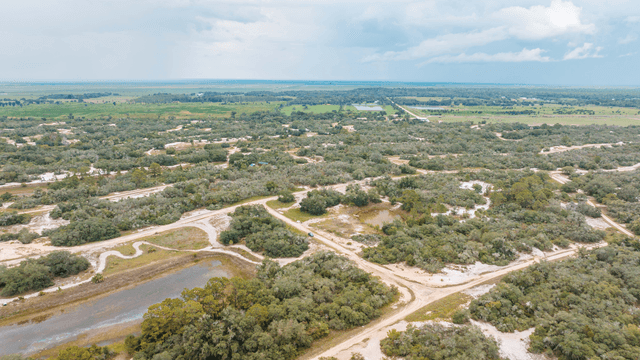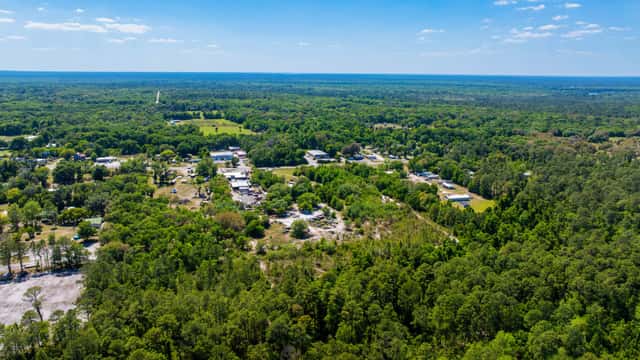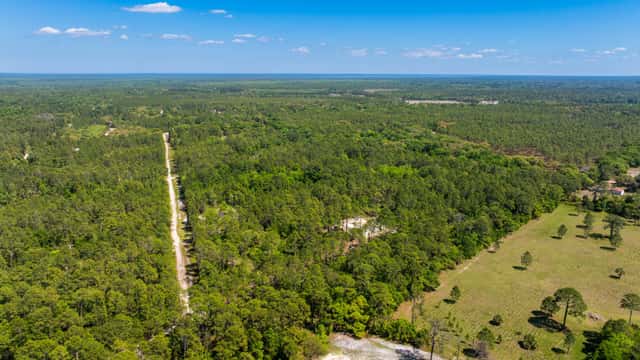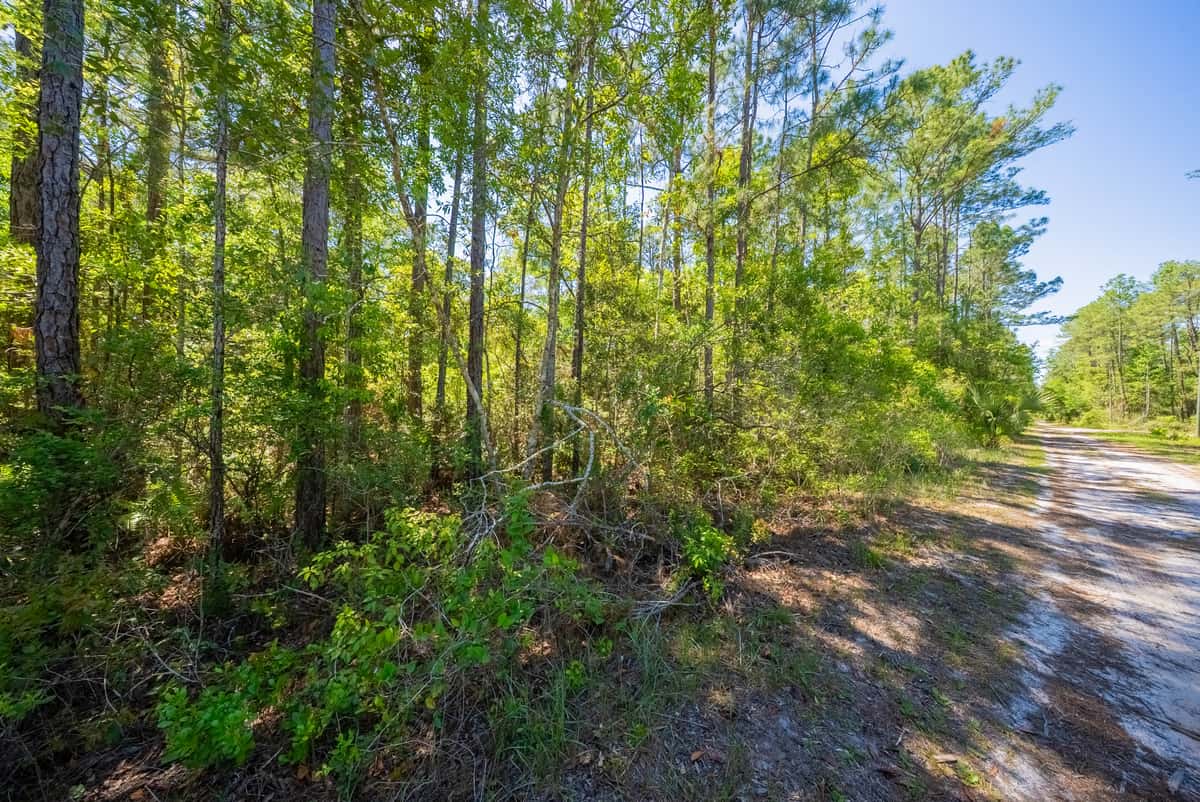
The word legacy has been kidnapped. It now mostly belongs to infomercials, gold coin commercials, and men in rented suits gesturing at yachts they do not own. I would like to steal the word back and hand it to something smaller, quieter, and far more stubborn: a fraction of an acre of Florida with your family's name headed for the deed.
Because here is what I have learned selling land in Putnam and Highlands County: the people thinking hardest about the future are rarely the ones asking about yachts. They are parents and grandparents asking a much better question, usually a little shyly, on a Tuesday: “Could this little lot be something I start for my family?”
Yes. It can. And because I am incapable of writing a legacy post without the fine print in the second paragraph, let me tell you exactly how, including the part most sellers mumble.
The short version: A small owner financed parcel can absolutely become a family legacy, as long as you understand the honest timeline. You put $249 down and pay $199 a month at 0% interest, with no banks, no credit check, and same-day approval. While you pay, you hold equitable interest, the contract right to that specific parcel. When the balance hits zero, the deed records in your name, and that is the moment it becomes fully yours to keep, build on, or one day pass down. The legacy does not start with a yacht. It starts with $249 and finishes with a deed.
Can a small parcel really become a family legacy?
Yes, and the honest mechanics matter more here than anywhere else, so let us do those first.
With owner financing through Golden Ridge Partners, you are not the deeded owner on day one, and I will never pretend otherwise. While you make payments, you hold equitable interest, which is the contract right to that exact parcel. The day your final payment clears, the deed records in your name. From that day forward, the land is fully, legally yours, and what you do next, keep it, build on it, or eventually pass it down, is your family's story to write.
I put this in a legacy post on purpose. A legacy built on a mumbled contract is not a legacy. It is a liability with sentimental music. The families who do this well are the ones who understand the timeline going in, explain it to their kids at the kitchen table, and treat the payoff date like the finish line it is. Honest foundations hold weight. That is the whole reason foundations exist.
Why does land work as a family starting point?
Because land has three qualities that most starter assets do not: you can stand on it, you can learn from it, and it is cheap to keep.
You can stand on it. I am a land seller and not a financial advisor, so I will not compare investments, but I will say this as a plain fact of physics: your kids cannot stand on a browser tab. A parcel is a real place. You can drive to it, walk its lines, and point at it while saying sentences that begin with “someday.” Families remember standing places. Nobody tells stories about the time Grandma showed them a statement.
You can learn from it. Paying off a parcel is a quiet masterclass in how the adult world works: deeds, property taxes, county offices, zoning, patience. Bring your kids along for it. Let them see the payment go out, let them look up the parcel on the county property appraiser's site, let them walk the corners once a year and argue about which tree is best. That is not just a purchase. That is a curriculum with a fence line.
It is cheap to keep. A legacy you cannot afford to hold is just a future regret with paperwork. This is where small parcels shine: on vacant Putnam County land, property taxes often run under $200 a year, and in both counties I will help you pull the exact tax and assessment numbers for your specific parcel before you commit. No structure, no tenants, no maintenance emergencies. The land's annual demands are roughly those of a houseplant that waters itself.
And while your family holds it, Florida keeps doing what Florida does, adding roughly 650 new residents a day and nearly 2 million people since 2020. I promise nothing about what that means for any parcel's future value, because I am not a fortune teller and neither is anyone else. I only note that your quarter acre will not be getting lonelier.
Putnam or Highlands: where should a family start?
Both counties work, and they offer two different flavors of the same quiet. I have written full guides to each, so here is the short family version.
Putnam County is river country in northeast Florida, wrapped around the St. Johns, with Palatka's murals and azalea ravines, festivals for blue crabs and blueberries, and two separate towns that both claim to be the Bass Capital of the World, which is exactly the kind of dispute worth driving your kids past. If your family's idea of a someday-place involves water, fishing poles, and a diner older than everyone in the car combined, start here.
Highlands County is ridge and lake country in the state's heartland, sitting on the Lake Wales Ridge, ancient sandy high ground that stood as islands back when most of Florida was still seafloor. More than 100 lakes, the caladium capital of the planet, and one gloriously loud race week a year in Sebring. If you want to tell your kids, truthfully, that the family lot sits on some of the oldest land in Florida, this is your county. Few legacies come with a head start measured in geologic time.
Either way, the parcels are the same shape of small and sensible: 0.22 to 0.44 acres, R-2 residential zoning, sized for a future house and a yard, not a ranch.
How do families actually do this well?
After watching a lot of first payments turn into payoff days, I can tell you the pattern, and none of it is complicated.
They visit. I send the exact location and directions, the family goes out on their own schedule, and the land does the showing while I stay in Orlando with the paperwork. The best version of this is annual: same parcel, same walk, kids measurably taller against the same tree.
They name it. Families name boats, and boats sink. You are absolutely allowed to name dirt. I have no data on whether naming a parcel helps, but I notice the families who call it something never seem to miss a payment on it.
They talk about it out loud. The payoff date goes on the calendar. The kids know what a deed is before they know what a mortgage is. The whole thing is discussed at dinner like a family project, because that is exactly what it is.
They keep the payment boring. $199 a month should be the least dramatic line in the family budget. If it would strain things, wait. A legacy that stresses the family it is meant to bless has the whole thing backwards.
What a family legacy lot is not
Three honest boundaries, because I would rather lose a sale than fudge one of these.
It is not deeded to you on day one. The deed records at payoff, full stop, and any seller who blurs that line in a legacy pitch is selling you sentimental fog. When the deed does record in your name, how you title it and eventually pass it down is a conversation for you and an attorney, and I will cheer from the sidelines, because I am a land seller and not a lawyer, and you deserve the real kind of both.
It is not a promised return. Nobody can guarantee what any parcel will be worth when your kids are grown, and anyone who does is auditioning for one of those gold coin commercials.
It is not an RV homestead. R-2 zoning means houses, not RV living, and I would rather tell your family that in this paragraph than after you have named the parcel.
Quick answers about starting a family legacy with land
Can buying land build a family legacy? Yes, with an honest timeline. Through owner financing you hold equitable interest while paying, and the deed records in your name at payoff. From that point the parcel is fully yours to keep, build on, or one day pass down.
Can I put the land in my children's names? Titling, minors, and passing property down involve legal rules that vary, so once the deed records in your name, talk to an attorney about the right way to structure it for your family. I sell the land honestly. Lawyers handle the heirloom part.
How much does it cost to start? Through Golden Ridge Partners, $249 down and $199 a month at 0% interest, with no banks, no credit check, and same-day approval. On vacant Putnam County land, property taxes often run under $200 a year, and I will help you confirm the exact figures for any specific parcel.
Where is the land? In Putnam County, river country in northeast Florida around the St. Johns, and in Highlands County, ridge and lake country in the state's heartland. All parcels run 0.22 to 0.44 acres with R-2 residential zoning.
When does the deed transfer? The moment your balance hits zero, the deed records in your name. Until then you hold equitable interest, the contract right to that specific parcel, which is exactly what your payments are steadily converting into a deed.
Start it today, honestly
Here is where most land ads would tell you to own it today. I will not, because you will not, and you deserve a seller who says so in print. What you can do today is start it: pick a parcel at goldenrp.land, put down $249 with same-day approval, no banks and no credit check, and begin the least dramatic, most stubborn family project available in Florida.
Call me at (407) 917-0848 or email juliana@goldenrp.land and bring the whole family's questions, including the skeptical ones. Especially the skeptical ones. If the parcel is wrong for your family, I will say so plainly, because a legacy should start the way you want it to continue: honest, unhurried, and standing on real ground.