Hi, I'm Juliana. I own Golden Ridge Partners, and I sell undeveloped land in Putnam and Highlands County, Florida, with owner financing: $249 down, $199 a month, zero interest, no banks, no credit checks.
Today's post is for everyone planning a Florida chapter on a fixed income, whether retirement is your current address or just visible from where you're standing. And I am going to open with a statistic most Florida land sellers would bury in the backyard, because you deserve the whole picture before you deserve my pitch.
The short version, for the skimmers and the search engines: Florida is still the number one state retirees move to, but rising coastal costs, especially insurance, are pushing nearly as many fixed incomes out as in. The solution is not leaving Florida. It is choosing the other Florida: the inland counties where the sunshine is identical, the costs are not, and my land terms were practically designed for a retirement budget: $249 down, $199 a month, zero percent interest, no credit check. Full honest breakdown below.
Is Florida Still the Retirement Capital? (Yes, With an Asterisk)
The direct answer: yes, Florida remains the single most popular state for retirees to move to, claiming about one in five of all retirees who cross state lines, and it has posted the nation's largest net migration of people 60 and over since at least 2021.
Now the asterisk, stated in full daylight. The most recent migration reporting found that while roughly 45,700 retirement-age Americans moved to Florida in a year, the most of any state, nearly 44,900 left, also the most of any state. The net gain shrank to a whisper, and the reason people gave was not the weather, the lifestyle, or a sudden fondness for shoveling snow. It was cost. Rising property expenses and insurance premiums, landing on fixed incomes, in the expensive parts of the state.
So here is the honest reading, and it matters: the Florida retirement dream is not dying. A particular price tag is. Retirees are not fleeing sunshine. They are fleeing a specific, mostly coastal, version of it.
The Two Floridas (Only One of Them Is Squeezing You)
The direct answer: coastal Florida and inland Florida share a sun and almost nothing else on the receipt.
Coastal Florida is where the squeeze lives. Homeowners insurance there helped push the statewide average to about $8,458 a year, roughly triple the national average, after climbing more than 40 percent in the first half of the decade. That is the number chasing fixed incomes across state lines.
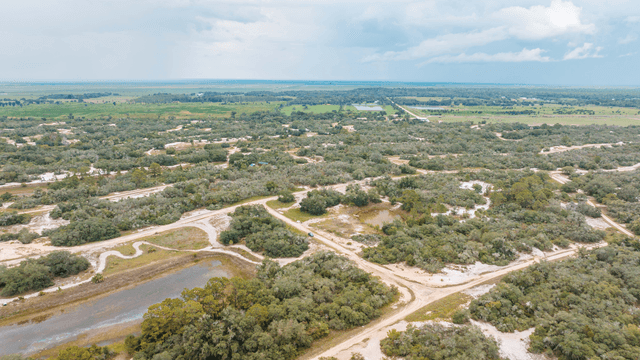
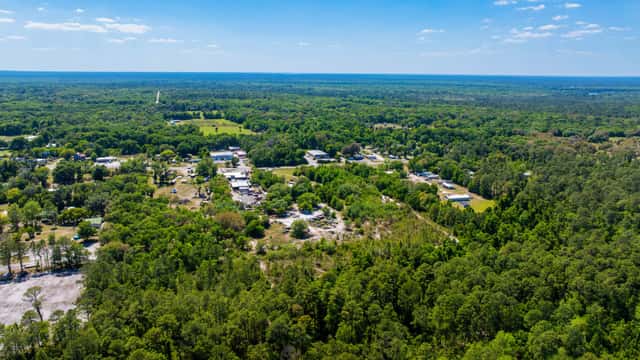
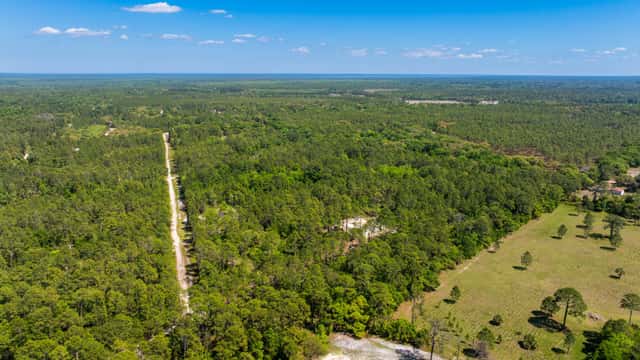
Inland Florida is the other one. Highlands County's average age is 54, with more than a third of residents already seniors, which tells you retirees found this place long before any study did; they simply did it quietly, with casseroles. The county's own government website leads with its lower cost of living, and up north, Putnam remains the most affordable county in its entire region. Lakes everywhere, warmth all winter, and land at prices the coast retired from offering years ago. I gave Highlands the full treatment in the Highlands sleeping giant and my guide to every town in Highlands County, and I will simply say: retirees are not leaving Florida so much as leaving a version of it. The other version has been sitting here the whole time, holding the same sunshine at a different register.
The Fixed-Income Math That Actually Behaves
The direct answer: my terms are $249 down and $199 a month at zero percent interest, and on a retirement budget, the zero is the headline.
Fixed incomes run on predictability. Zero percent interest means the math you see on day one is the math forever: no compounding, no adjustable anything, no surprise waiting politely in year three. The payment is $199 this month, $199 next month, $199 until the balance is zero, at which point the deed records at the county in your name. And the holding costs stay in character: property taxes on my vacant Putnam parcels often run under $200 a year. In a season of life where every other number seems to enjoy climbing, this is the rarest thing in retirement budgeting: a number that stays exactly where you put it.
Why "No Banks, No Credit Check" Lands Differently After 60
The direct answer: because banks are in the business of loving paychecks, and retirement is famously the art of no longer having one.
Plenty of people with perfectly healthy finances discover that borrowing gets strangely complicated once the W-2s stop, and raw land makes lenders squint at any age. My model simply removes the entire conversation. There is no application, no credit inquiry, no committee, and no lobby. You pick a parcel, put $249 down, and approval happens the same day, because there is nothing to approve you against. The whole machine is drawn out, gear by gear, in owner financing, explained. It is a short read. The machine is small.
What Is the Land Actually For at This Stage?
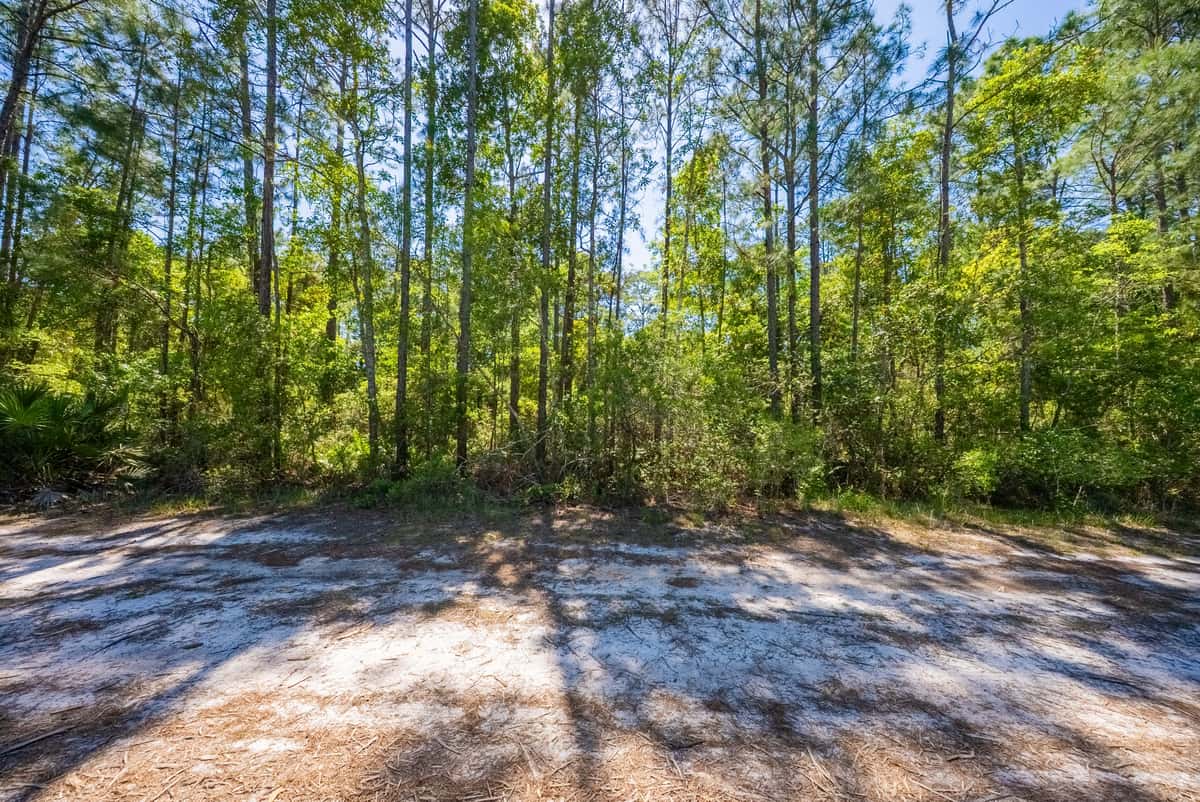
The direct answer: whatever your next chapter needs a place for. A future homesite for a right-sized Florida place near the lakes, built properly with permits when you are ready. A winter landing pad in the planning stages while you finish your working years somewhere with ice scrapers. A standing Saturday destination with your name headed for the deed. A spot the grandkids can visit and lose a frisbee on.
And do not underrate the project value. Retirement runs on projects; ask anyone with a garage. A parcel is a project that never nags: walk it, map it, plan the porch, argue pleasantly about the porch, revise the porch. I will make exactly one shuffleboard joke in this post and it is this sentence. Land is more interesting than shuffleboard, and it appreciates in the sun right alongside you. That last part is history talking, not a promise, and I keep the two strictly separated.
The Honest Part (Read This Twice)
Because this audience gets pitched hard by everyone, here is my anti-pitch, in writing. If $199 a month would compete with things that matter more, do not buy land from me. Land should never wrestle groceries, and it should never touch money you might need back within a year or two. That is not fine print. That is the whole sermon.
And I am a land lady, not a financial planner. If you are weighing land inside a bigger retirement picture, bring your planner into it, and then bring me your questions. I will answer every one in plain English, and if the honest answer is that waiting is wiser for you, I will say that too, and I have. I even wrote a whole affectionate post about what waiting really costs and when waiting is actually wisdom. Both halves were sincere.
Quick Answers (For Humans and Their Search Engines)
Is Florida still a good state to retire in? Florida remains the top state retirees move to, drawing about one in five interstate retiree moves. The pressure point is cost in the expensive coastal markets, which is why affordable inland counties like Highlands and Putnam deserve a closer look.
Can I buy land on a fixed income? That is exactly what my terms were built for: $249 down and $199 a month at zero percent interest, a payment that never changes, plus vacant land taxes that often run under $200 a year on my Putnam parcels.
Do I need a credit check or a bank? No. There is no credit inquiry, no bank, and no application. Approval is same-day, and the deed records at the county in your name at payoff.
Can I build a retirement home on the land later? Yes, through normal county permits, on your timeline. Buying the land does not obligate you to build anything or by any date.
What does it cost to hold the land each year? The $199 monthly payment until payoff, plus property taxes, which on my vacant Putnam parcels often come in under $200 a year.
Come See the Affordable Florida
The parcels are at goldenrp.land, in Putnam and Highlands County, mapped to the exact spot. Join the VIP list to see new land first, and subscribe to The Dirt, my free monthly newsletter, where the guidance is straight and the cabbage jokes are aging beautifully.
Or call me at (407) 917-0848, or email juliana@goldenrp.land. Bring your questions, your budget, and your healthy suspicion. I will bring maps, straight answers, and a genuinely unreasonable enthusiasm for Florida's quiet middle.
Juliana Scolari
Golden Ridge Partners